Tom Woods did a recent show on an article arguing that Taxation was not Theft (link: https://tomwoods.com/ep-1434-taxation-isnt-theft-or-slavery/). I thought it was a rather good episode, however I think Tom misses a point that I would like to add.
First let’s discuss the argument. I would attribute the argument to the original author, however I’ve seen it made by several socialist thinkers and so I don’t know who made it originally. It has come into vogue on the left as a counter talking point to the “Taxation is Theft” mantra. Here is what they say: Taxation isn’t theft because theft implies taking something from someone who has a moral right to something. They then claim that the poor have a stronger moral right to a wealthy person’s property than the wealthy because we have to weigh in a person’s right to eat, have shelter over a person’s right to their property.
Tom does a fantastic job on arguing why such thinking is not only morally bankrupt, but also just unworkable. I’ll leave that for him to discuss in his episode. However, what I am going to say is that even on their own terms, that argument does not justify our tax regime.
First of all this argument would only justify taxing the “rich.” However, our current tax system taxes the poor and wealthy alike. Whether that be gas taxes, sales taxes or FICA taxes, everyone is forced to pay into the system. Now, one could argue that the poorest get more out in direct welfare benefits than they put in, but that is really only true for the poorest group of people. There are plenty of people who would be considered poor that pay into the system rather than get out. Under the argument supplied taxation would not be justified.
A possible second argument is that everyone but the super wealthy in the country receives more than they put in because of all the services that are granted, things like roads, defense, and grants for studies about global warming’s disproportionate effects on women. To some this may seem plausible. But it is entirely beside the point. The argument to justify taxation as not theft only justifies taxation in the pursuit of redistribution of wealth from rich to poor. If taxation isn’t theft because the rich don’t have a moral right to their food in the face of the plight of the poor, it is theft because the government takes the money that should (according to this argument) go to the poor and instead spends it on something else.
Now I can understand why this argument isn’t the first one given by Tom (and other libertarians I’ve heard counter it). But I think it is a particularly strong one because it doesn’t let progressives talk out of both sides of their mouth. On one hand they justify taxation by saying the poor have a moral right to the property, but on the other hand they advocate all sorts of spending and taxation schemes that are still not justified by their logic.
Anyway feel free to tell me I’m wrong.
As the title says, I am not here. Please do not attempt to contact me directly as I am most certainly out of the country. I contacted the editors regarding my absence but was met with a response that was as predictable as it was unhelpful.

While I will not explicitly inform you of my wherabouts, I’ll give a bit of a hint. Unfortunately, I already wrote about an appropriate beer for this occasion so I will just go ahead and throw you all for a loop… this is my review of Jameson Caskmates Stout Edition.

I know what you’re thinking, “that’s not beer, your wheelhouse is beer, and that looks like whiskey.” Well…you’d be right, but who’s stopping me?
Irish Whiskey has an interesting history. It is said, the first written example of distillation occured during the 1st Century AD (or CE). The Arabs are creditied with discovering the process as applied to perfumes, but the first known example was found in Alexandria. Later during the 7th Century Irish monks trained in the process, applied it to create a drinkable spirit, called Uisce Beatha. It is from this spirit, we ultimately get Whiskey. Once again, leave it to the Irish to be at the forefront of drinking technology.
Which means…Whiskey predates Whisky, sort of. To explain, by the 18th Century Irish Whiskey was held in higher regard than its Scottish counterpart. It was not until in 1820 that Irish Whiskey as we know it today came about. The Single Pot style was developed in response to a tax levied by the English on malt. The Irish distillers responded simply by using both unmalted barley and malted barley, resulting in a distinctive flavor.
Over the next century Irish Whiskey fell out of favor for a variety of reasons: Temperance movements in Ireland (seriously), potato famines, mass migrations, restrictions on exports to the rest of Britain, Irish Revolution, Irish Civil War, two world wars, prohibition in it’s largest customer (The United States), American servicemen stationed in England developing a taste for Scotch Whisky during the war, and the Scots developing the Coffey Still and the blended whisky that suited the palates of the day.
Mostly, it was war and the government being bad for business.
Irish distilleries began to add the “e” to differentiate themselves from the distilleries in Scotland. At the time, Irish whiskey was more popular than Scotch, even in Scotland. Americans simply adopted the spelling. Hence my statement, whiskey predated whisky.
So does it taste like beer? No. This tastes like whiskey. By aging whiskey in old beer barrels rather than the other way around, they took a fun idea and turned it on its head. I’m not even going to rate it, because its not beer of course, and rating it implies that whiskey is equivalent to beer. Its not. It is smooth however, and has an ever so slight chocolate notes. I might have to try the IPA barrel next, just out of curiosity.
“Hello?” I asked. Who would call me at 0538? I looked at the call ID and predictably it said, “BLOCKED NUMBER.”
”This Pratibha, with Swiss Corps Interational Industries. How you doing this morning?” He got a new secretary…from India?
”Fine, I guess. Can this be handled later? I mean its not exactly polite to call befo—“
“Mr. Swiss want you to get off you brown ass and wake the fuck up, you late for conference call.” Pratibha said, to my surprise.
”I didn’t make an appointment, and if I did, I wouldn’t make it before sunrise.” I replied.
”I not work for you. I work for Mr. Swiss. His only available appointment today is at 7am. It is not incumbent upon me to reschedule because you cannot adjust to time zone.”
”I don’t know if they explained to you how this sort of thing works in outsourcing school, both parties have to agree to a time.”
”Outsource? Huh huh huh huh.” Good lord that laugh was fake. “You hillarious. You fucking funny it only 7:41 am and you the thirrrrrd beaner to make that joke.” She replied. “I transfer you now. Next time save the wise cracks for somebody else you wall hopping, piece of monkey shit.”
I wasn’t even mad…
“MAGA, BITCH.”
“mex! You’re late!” Swiss yelled into the phone as he is wont to do.
”That’s some new secretary you got there. She always this pleasant?” I asked.
”Pratibha? Oh, yeah she’s the best. She’s allowed me to outsource my contempt. I save a ton of money this way.” Swiss replied.
”Right, so why the appointment before sunrise?”
”What? Its 0745 here. Sunrise was an hour ago.”
”Fine, what do you need?”
”Are you by a computer?” Swiss asked.
”Not really. Why?”
“I need you to setup something for me…”
As Swiss explained, his Swiss overlords saw an opportunity in the United States to set up a service in response to Elizabeth Warren’s plan to tax 2% of the net worth of people worth over $50 million, or 3% should they be effective enough to be worth over $1 billion. Because Warren is not the front-runner but certainly isn’t going away and quite frankly other thieves in the government seem to have latched on to the idea like the blood sucking leeches they are, they’ll probably take measures to keep high net worth individuals in the country. After all, they probably assume the Grand Cayman is going to sink if enough people store their money there, or more likely try to move there.
”I need you to set up the Kickstarter.” Swiss said.

”What? You work for a international corporation, why are you funding this via Kickstarter….you know what, nevermind. Fine, I’m on the site.” I conceded. There’s no point in arguing with these people after they send STEVE SMITH to kidnap your dog.
“Okay Swiss, what category?”
“Caregory? Business? Dumbass.” Swiss replied. I wasn’t sure if he knew what I meant.
”Okay, Art. Next question: ‘Describe what you’ll be creating.’”
”Service to shuttle high net worth individuals out of the country on a Cigarette Boat.” Swiss answered.

”A Cigarette Boat? Those aren’t exactly cheap.” I explained. “Not something people will fund on Kickstarter. Normally they fund these things with some kind of return.”
”mex, you ever try to out run the Coast Guard? It ain’t cheap.” Swiss asked.
”As a matter of fact, I have.”
”Really?”
”No.”
*narrowed gaze*
…
…
…
…
“What country is the account located?” I asked, breaking the silence.
”The Netherlands.”
”I thought you worked for a Swiss company.”
”I do.”
”Speaking of which, I’ve never done an article on a Dutch beer. You’ve been to the Netherlands. Are there any that are any good?” I asked.
”No.”
”None?”
”Nope.”
”Not even Oranjeboom?”
”Not unless you are a college student, homeless, or otherwise an alcoholic. The Belgians broke off and took all the good beer with them.”
”There’s gotta be one.”
”You think so? mex are you a betting man?”
”Possibly.”
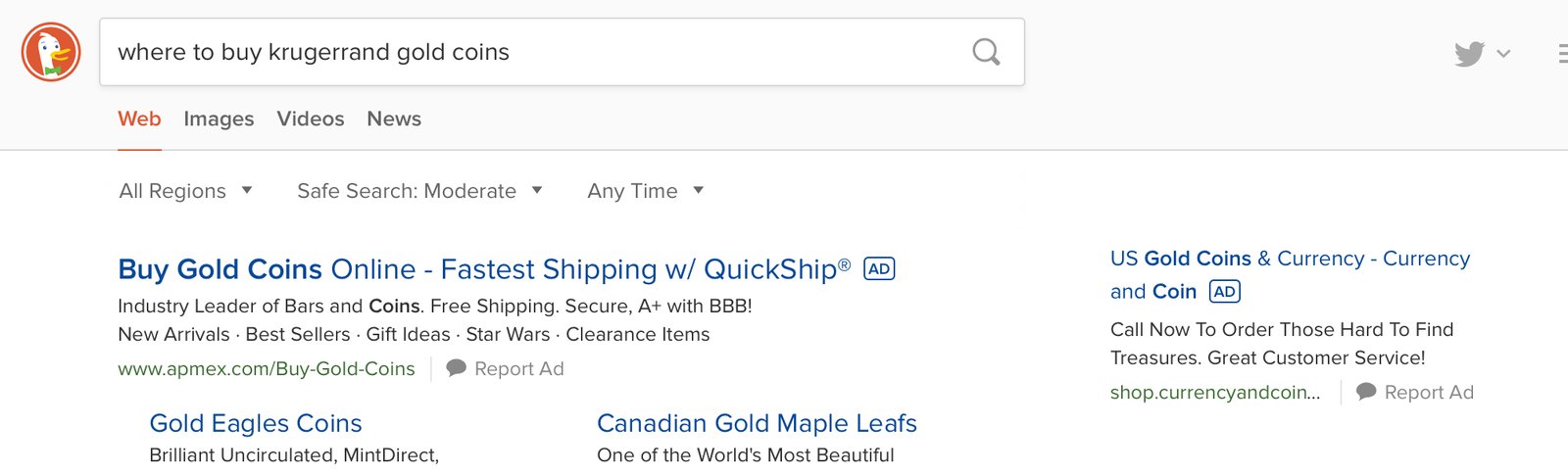
”You will not be able to find a single Dutch beer worth reccomending. I will wager a Krugerrand, and trust me, we all know when you’re lying.”
”Fair enough, I will need the IBAN and SWIFT Code…wait, how is the account located in…you know what, nevermind.” I managed to answer the next few questions without his input. “Okay, its called Portland Boat Tours. The page can be found here.”
”Portland Boat Tours?” Swiss asked.
”Trust me. I worked for the federal government once, the last place they will look for anything, is Oregone.”
”That makes sense. This call is over.”
The first place I asked of course, was the Glibs. Somebody would have a good suggestion, right?
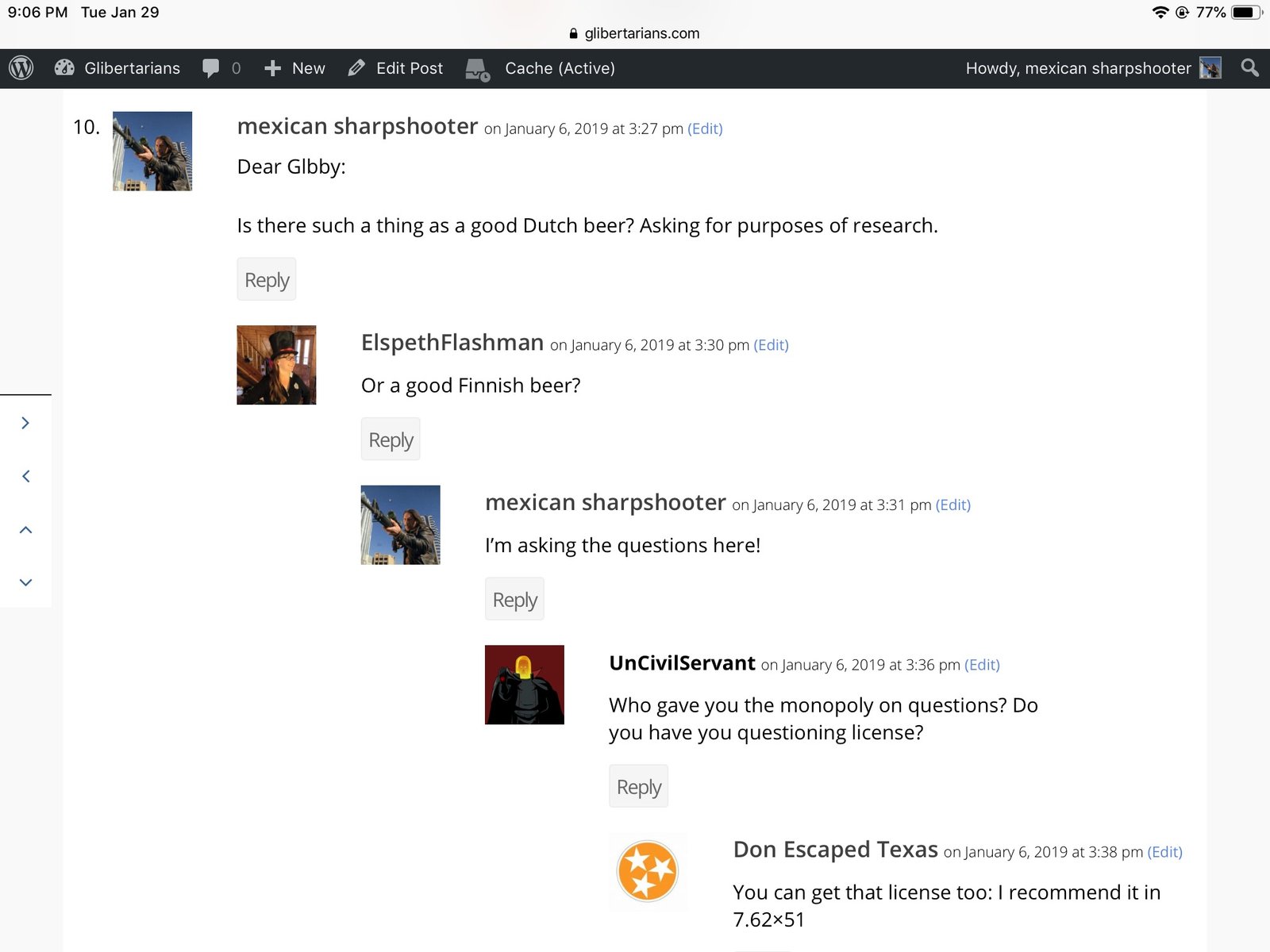
Perhaps not. I did get one that was serious (H/T Nephilium, naturally) but sadly I was unable to locate it locally. Others, still…seemed determined to make me fail.

I had to try any I could find.
Heineken?

No, thats still Dutch piss.
Grolsch?
Cool bottle, but ultimately the proper pronunciation sounded like the sound one makes while puking.
Finally, I thought I found one at Trader Joe’s:

It was light, crisp, balanced and had a pleasant finish. Sadly, that was before I read the fine print.
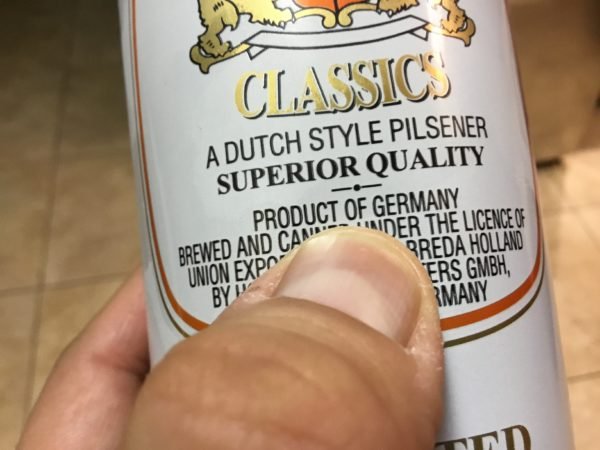
…and so it goes …
I liked Not Adahn’s post on changes to the political system enough that I thought I’d write one of my own. While I could wax philosophical about democracy and republicanism and the like, that’s all been hashed through 1000x by people much smarter than me.
Instead, I wanted to approach some moderate changes that could be made to the current system to make them much more responsive to citizens’ revealed preferences and personal priorities rather than their stated preferences and social priorities. I’m under no illusion that any of this could ever happen, but it’s a fun discussion to have.
I mentioned in Not Adahn’s post that barriers to entry aren’t going to affect the incentive to acquire power because power, once acquired is lucrative enough to render those barriers to entry useless.
I wrote:
The only way to curb abuses is to kill the incentive to accumulate power via fedgov. That’s an incentive that cant easily be counterbalanced with barriers to entry or other disincentives. It’s also very hard to reduce or kill that incentive. As long as fedgov is the sovereign, no amount of legislation will prevent power seekers from eventually maximizing the reach of their institution.
What’s the best way to curb the social greed of those who seek power and the complacency of the electorate that gives the power to the seekers? How about an even stronger and more acute incentive? Personal greed.

My half-cocked idea is as follows. Tax day is now election day. The total government budget is set by popular vote, but with a twist. You have 5 choices: Budget stays the same as last year (zero based, no adjustments). Budget plus 5%, Budget minus 5%, Budget plus 10%, Budget minus 10%. Once you are done voting, you get a receipt for your votes (like usual), as well as a bill for your taxes owed at the percentage you voted for. Taxes are due immediately, and there are representatives of the IRS and the various localities in the building to take payment.
If you do not pay, your vote is marked provisional and you have 30 days to pay your bill (plus interest) and have the vote counted. After 30 days, your vote no longer counts, and while you still owe the money (and interest), it is no longer considered part of the annual budget and is saved in a rainy day fund that requires massive agreement to access (2/3 states and 2/3 of each legislative body).
This delineation is important because the federal budget is given to Congress based on actual tax receipts within the 30 day window. Balanced budget is constitutionally required, but Congress has the authority to allocate the specific expenditures within the money received on voting day. However, once you run out of money, you’re done.
Obviously, it would require a massive simplification of the tax code. It would probably also require some sort of assurance that everybody has to contribute at least something.
The benefit of this plan is that it aligns incentives for the populace limiting taxation and government expenditures. Of course, it would never happen because 1) it takes away the meticulously crafted system where costs of government are hidden and benefits are touted; and 2) anything that associates taxation with voting will be lambasted as “POLL TAXXXXX!!!!”